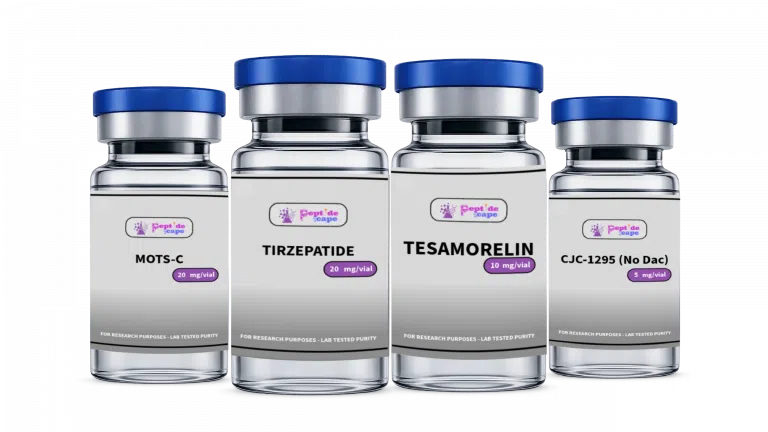
Peptides Currently Being Studied for Longevity
Several peptides have attracted research interest in the longevity space:
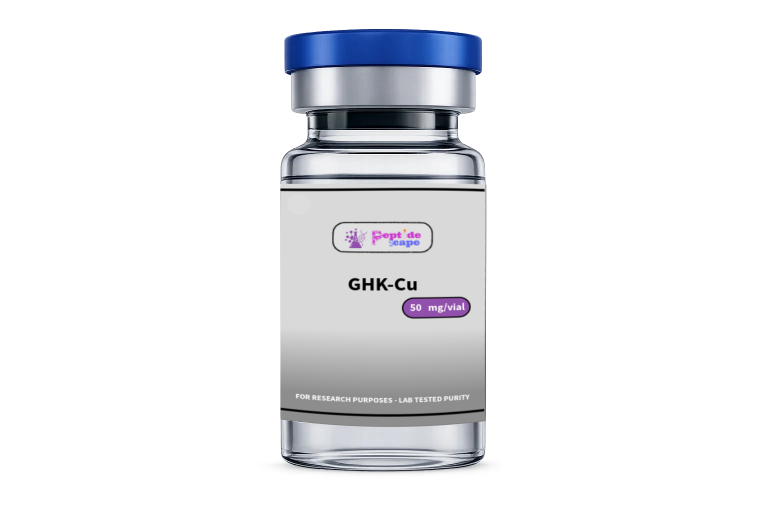
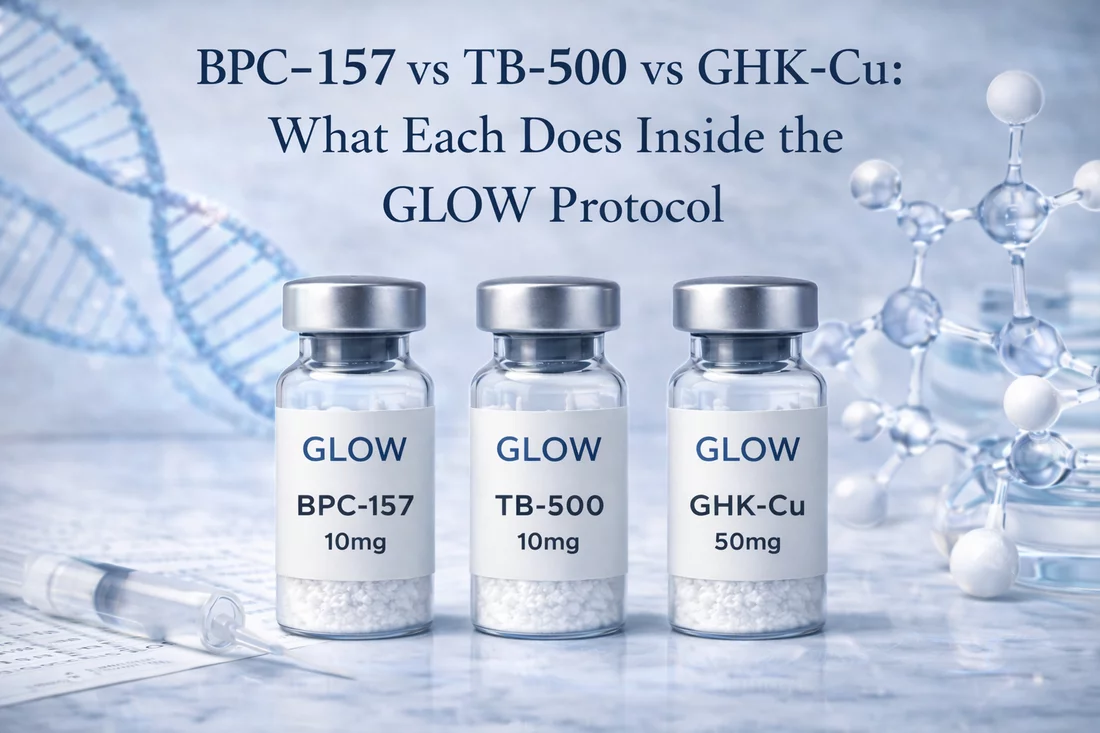
GHK-Cu (Copper Peptide)
GHK-Cu is one of the most researched peptides for skin health and tissue repair. Plasma levels of GHK decline significantly with age, corresponding with decreases in skin elasticity and wound healing capacity.
Key research areas:
Evidence: Multiple controlled topical trials have reported improvements in collagen synthesis compared with placebo or other active ingredients. Injectable forms are being used in wellness clinics but lack the same level of human clinical evidence.
Epitalon
Epitalon is a peptide being studied for its potential effects on cellular aging. Research has focused on telomere length and biological age markers.
Important note: The evidence base for Epitalon comes primarily from animal studies and small observational reports. It is not FDA-approved for any indication.
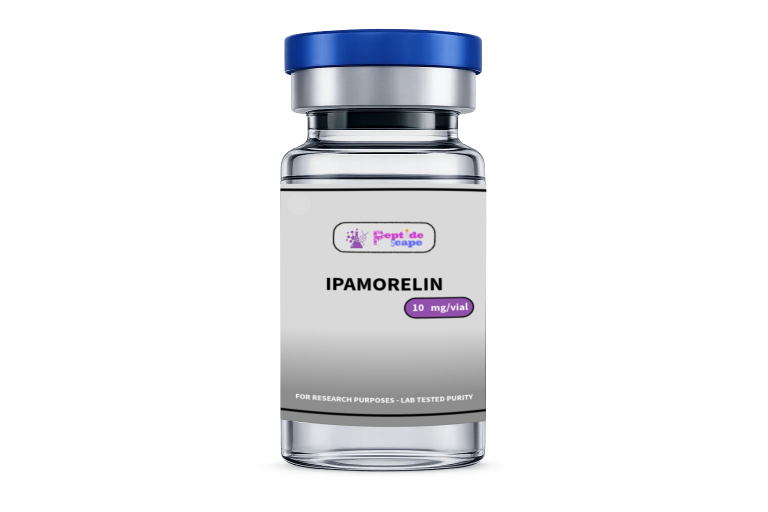
Sermorelin + Ipamorelin
These growth hormone secretagogues are used in clinical practice to stimulate natural growth hormone release.
Proposed benefits: Better sleep, improved energy, enhanced recovery
Evidence: There is some clinical experience with these peptides in hormone optimization, but they are not approved for anti-aging indications.
A Critical Distinction: FDA-Approved vs. Research-Grade
One of the most important factors to understand is the regulatory distinction:
FDA-Approved Peptide Drugs
Over 60 peptide drugs are currently FDA-approved for specific medical conditions. These include:
Metabolic diseases: Liraglutide and semaglutide for type 2 diabetes and obesity
Oncology: Goserelin for prostate and breast cancer
Endocrine disorders: Lanreotide and octreotide for acromegaly
These drugs have undergone rigorous clinical trials demonstrating both safety and efficacy for their approved indications.
Research-Grade Peptides
In contrast, many peptides sold for longevity purposes are:
Not FDA-approved for human therapeutic use
Lacking randomized controlled human trials
Available through compounding pharmacies with significant regulatory complexity
As Dr. Johnny Franco, ASPS member surgeon, notes: "While preclinical studies show promise and safety profiles appear favorable, the paucity of human studies highlights an urgent need for high-quality research".
The Quality Problem
Another significant concern is the variability in peptide quality. As Dr. Eric Topol observes: "Its not just the hype about what they do but it is also important to remember coming from compounding pharmacies- the peptide will differ drastically. Its not like FDA-approved or even OTC drug manufacturing where everyone has to follow a similar recipe for ingredients, validation or creating/manufacturing".
Key quality concerns include:
Contamination risks
Unknown purity
Inconsistent dosing
Variable sterility
The Regulatory Landscape
The regulatory environment for peptides is complex and evolving:
Many peptides were reclassified in March 2020 as biologics by federal law
Traditional 503A compounding pharmacies cannot compound substances classified as biologics
Compounding pathways have recently reopened for some peptides, but this does not equal FDA approval
Dr. Franco explains: "The GLP-1 era brought millions of patients into 'metabolic medicine,' and peptides got pulled into the same conversation. At the same time, the regulatory framework for compounding peptides is complicated".
The Bottom Line
What We Know
Peptides are biologically interesting with legitimate mechanisms of action
Over 60 peptide drugs are FDA-approved for specific indications
Some peptides show promise in preclinical research for aging-related pathways
What We Don't Know
Whether peptide therapies meaningfully improve human healthspan
Long-term safety data for off-label peptide use
Optimal dosing, combinations, or protocols for longevity purposes
Which individuals might benefit—and which might be at risk
Expert Consensus
Leading voices in longevity medicine emphasize a cautious, evidence-based approach:
Focus on the fundamentals first: As one expert notes, "Too many engaged in longevity and anti-aging efforts, and often even their physicians, don't even have a good idea of their true, average, multi time point tested blood pressure. The risk of distraction from the core metabolic markers, and the behaviors that drive them, is a real risk".
Prioritize validated interventions: Optimize nutrition, sleep, exercise, and stress management before considering experimental therapies.
Distinguish between mechanistic data and clinical evidence: "Interesting biology is not yet clinical evidence".
Use legitimate channels: If considering peptide therapy, work with a licensed healthcare provider through regulated compounding pharmacies—not unregulated online sources.
Frequently Asked Questions
Q: Are peptides proven to reverse aging?
A: No. There is no peptide therapy that has been proven to reverse human aging. While research is ongoing, no FDA-approved medication has demonstrated anti-aging effects in humans.
Q: How many peptides are FDA-approved?
A: Over 60 peptide drugs are currently FDA-approved for specific medical conditions, primarily in oncology, metabolism, and endocrinology.
Q: Can peptides help me live longer?
A: There is no evidence that any peptide extends human lifespan. Some peptides may support aspects of health as part of a comprehensive wellness approach.
Q: Are peptide supplements regulated?
A: Oral peptide supplements and cosmetic peptides are generally regulated as dietary supplements rather than medications and lack standardized efficacy and pharmacokinetic data.
Q: Should I try peptides for anti-aging?
A: Work with a licensed healthcare provider to evaluate your individual situation. Focus on evidence-based interventions first—nutrition, sleep, exercise, and stress management—before considering experimental therapies.